Pages
Search the website
Jobs
Companies
Events
‘My research turned into a company’ – Rui’s spin-off story
Rui Li shares how his university research turned into a job in Groningen in his postdoc to biotech startup journey.
Testimonials
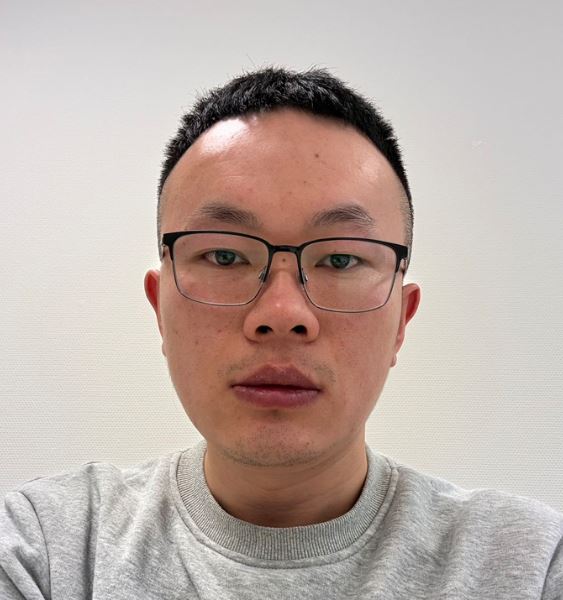
As a bustling university city, Groningen hosts plenty of internationals seeking to make the switch from academia to industry. However, that path is not always straightforward.
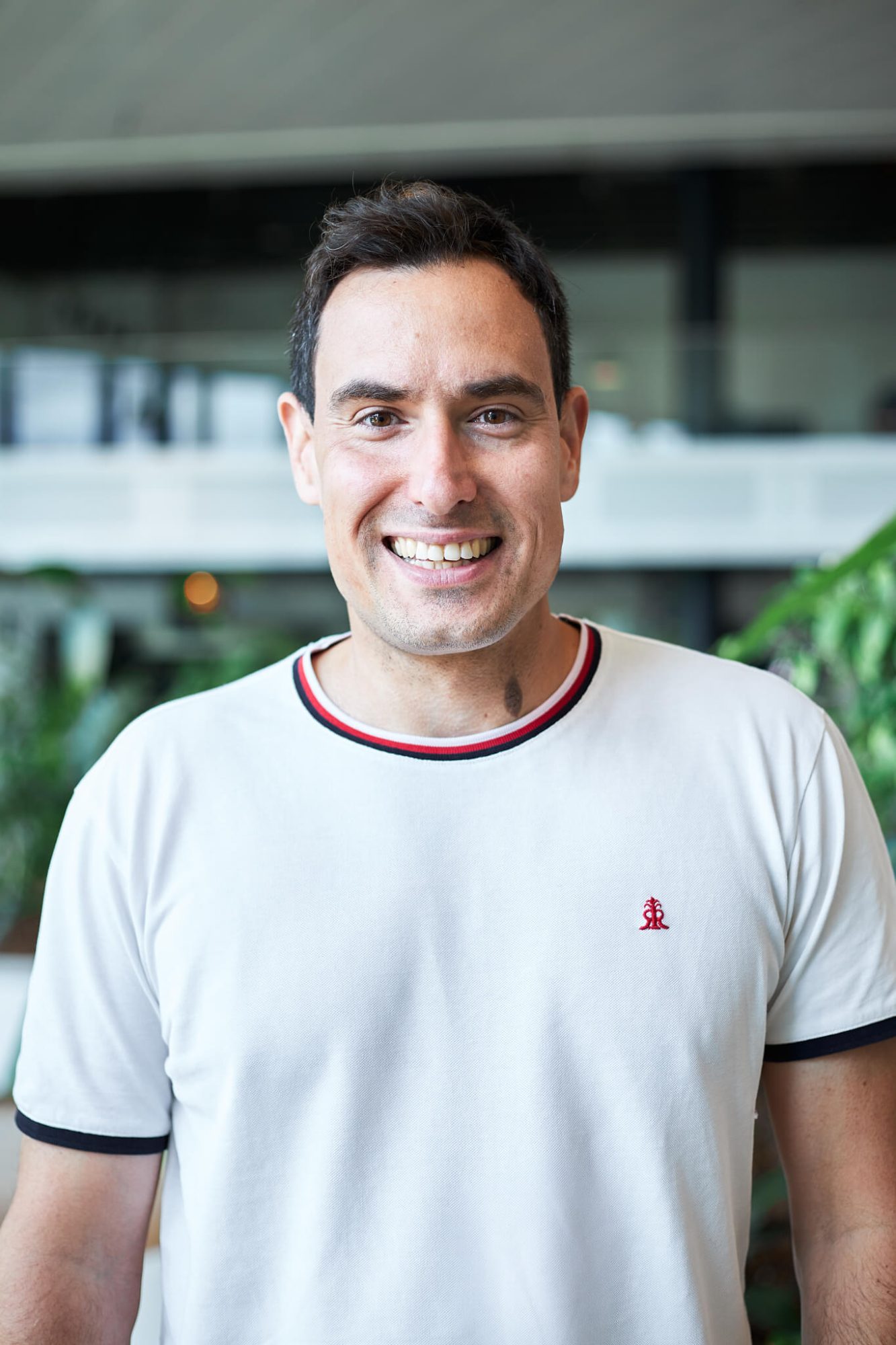
Rui Li spoke with Make it in the North about his own journey that took him from China to Groningen as a visiting PhD scholar, and later back again as a postdoctoral researcher. Today, Rui is a Senior Scientist at Bioprex Medical, a biotech startup developing coatings for biomedical implants. In this Q&A, he shares how his university research became a spin-off company, what it’s like to work in a startup in Groningen, and his advice for international job seekers navigating the Dutch job market.
Can you briefly introduce yourself?
Hi! I’m Rui and am originally from China. I’ve been living in the Netherlands for more than seven years.
I first came here during my PhD in polymer science. I received a national scholarship in China and had the opportunity to join a professor at the University of Groningen as a visiting scholar. That’s how my connection with the Netherlands started.
After finishing my PhD in China, I received an offer for a postdoctoral position in Groningen, so I came back again. That was the beginning of my longer-term stay here.
What was your PhD about?
I worked in polymer science. Polymers are everywhere — plastics, adhesives, coatings. It’s a very broad field. Even now, coatings are central to what I do.
How did you move from academia into industry?
It happened quite naturally in my case.
During my postdoc, we worked on a project for several years and even filed a patent. Later, a company was created based on that research project, it other words it’s a spin-off from the university. So I didn’t apply through LinkedIn or through friends. I transitioned directly from my postdoc into the company.
What does Bioprex Medical do?
At Bioprex Medical, we develop coatings for biomedical implants. The goal is to prevent early-stage bacterial infections on implant surfaces. That’s our focus.
I now work as a Senior Scientist, and I’ve been involved with this project for more than seven years. I know the coating technology very well — how to improve it and how to develop it further. I really enjoy working on it.
What does a typical workday look like for you?
We’re a startup, so it’s quite flexible.
I usually bring my daughter to school first, then head to work — it only takes about five minutes from her school to the office. I normally arrive around 08:30 and leave around 16:30 or 17:00.
If I’ve completed my work for the day, I can speak with my manager and leave earlier. There’s a lot of flexibility, which I really appreciate.
What was challenging about moving to the Netherlands?
The biggest challenge at the beginning was language and culture.
In China, we mainly speak Mandarin. Suddenly I had to communicate fully in English. That was challenging during my first year here.
Then there’s Dutch. When I had my contract with the university, I attended a Dutch course for half a year. Learning Dutch as an adult is not easy, you can’t learn it only from books. You really need to practice speaking with people.
Luckily, most people here speak English very well. In our startup, we work in English, so that makes things easier. These days I try to learn Dutch in my spare time.
How does Dutch work culture compare to China?
There are big differences.
In China, work is very fast-paced and busy. You are expected to work very hard and move quickly.
Here in the Netherlands, things are more flexible. There’s more balance. I would say the pace is different.
If you want to stay here, you need to adapt to the local culture and not take cultural differences too personally. That helps a lot.
How is it raising a family in Groningen?
I have one daughter, so during the weekends we spend most of our time together.
We go to playgrounds, shops, or do small family activities. There are organisations like “Sport050” that offer many activities for children. There are also indoor and outdoor playgrounds which is helpful because the weather in the Netherlands can always surprise you.
Overall, it’s a good environment for raising a family.
Many internationals struggle to find a job. What advice would you give them?
Networking is very important.
LinkedIn is useful, but I would strongly recommend attending workshops and events in person. Try to speak directly with managers.
If you just submit your CV online, it might first go through HR who don’t know you or even AI-based selection systems. Your CV might never reach the hiring manager.
If you talk directly with people, you increase your chances significantly. Building a wide network is very helpful, not only in the Netherlands, but in any country.
What is it like working at a startup compared to a larger company?
Both have advantages and disadvantages.
In a startup, you can do many different things and grow very fast. You gain experience quickly because you are involved in many areas.
But startups can struggle financially. If there’s no investment, your job might not be secure.
In a large company, the position is usually more stable because they have more financial resources. But you might stay in the same role for a long time and not grow as quickly.
It depends on your personality and what you prefer.
How big is your team?
We are currently a small team of three employees, but we want to expand our R&D team and we’re seeking interns from universities.
What qualities will you be looking for while you’re hiring these interns?
For interns, practical experience is important. I would recommend listing these previous experiences. Maybe you worked in a chemical lab or completed other relevant projects, it all helps!
Rui Li’s top tips for internationals in the North
- 🤝 Networking – Attend workshops in person and speak directly to managers
- 📄 Applications – Don’t rely only on online CV submissions
- 🚀 Startups – Great for fast growth, but less stable than big companies
- 🗣️ Dutch Language – Learn it gradually — speaking practice is key
- 🌍 Culture – Adapt and don’t take cultural differences too personally
- 🧪 Applying for Internships – Highlight your hands-on lab or practical experience