
Pages
Search the website
Jobs
Companies
Events
Natural resource extraction in the Northern Netherlands
The Northern Netherlands has been Europe's energy powerhouse for over half a century. While the region is famous for its massive historical gas reserves, it is currently undergoing a rapid transformation into a global hub for green energy and sustainable chemistry.
Article
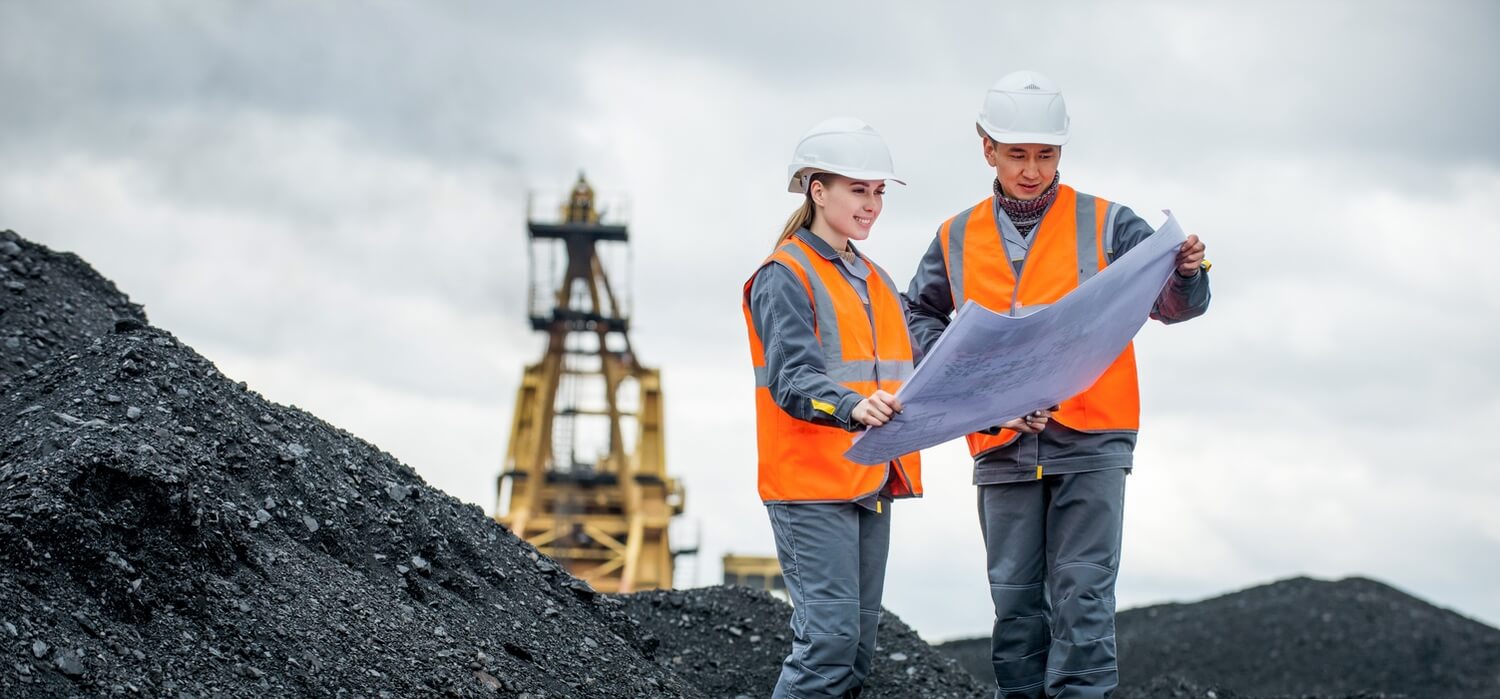
The provinces of Groningen, Friesland, and Drenthe have a long history of natural resource extraction, especially in fossil fuels and minerals. Peat mining peaked in the late 1800s and created the famous Veenkoloniën (peat colonies) landscape of canals and long villages.
Gas extraction
A major turning point came in the mid-20th century with the discovery of natural gas. In 1959, the Groningen gas field was found near Slochteren, Groningen. This onshore gas field proved to be one of the largest in the world, with originally about 2,740 billion m³ of recoverable gas – the biggest in Europe.
However, decades of extraction led to earthquakes, damaging thousands of homes. From 1991 onward, these gasquakes caused growing public concern and gas extraction in the Groningen field ceased on 1 October 2023.
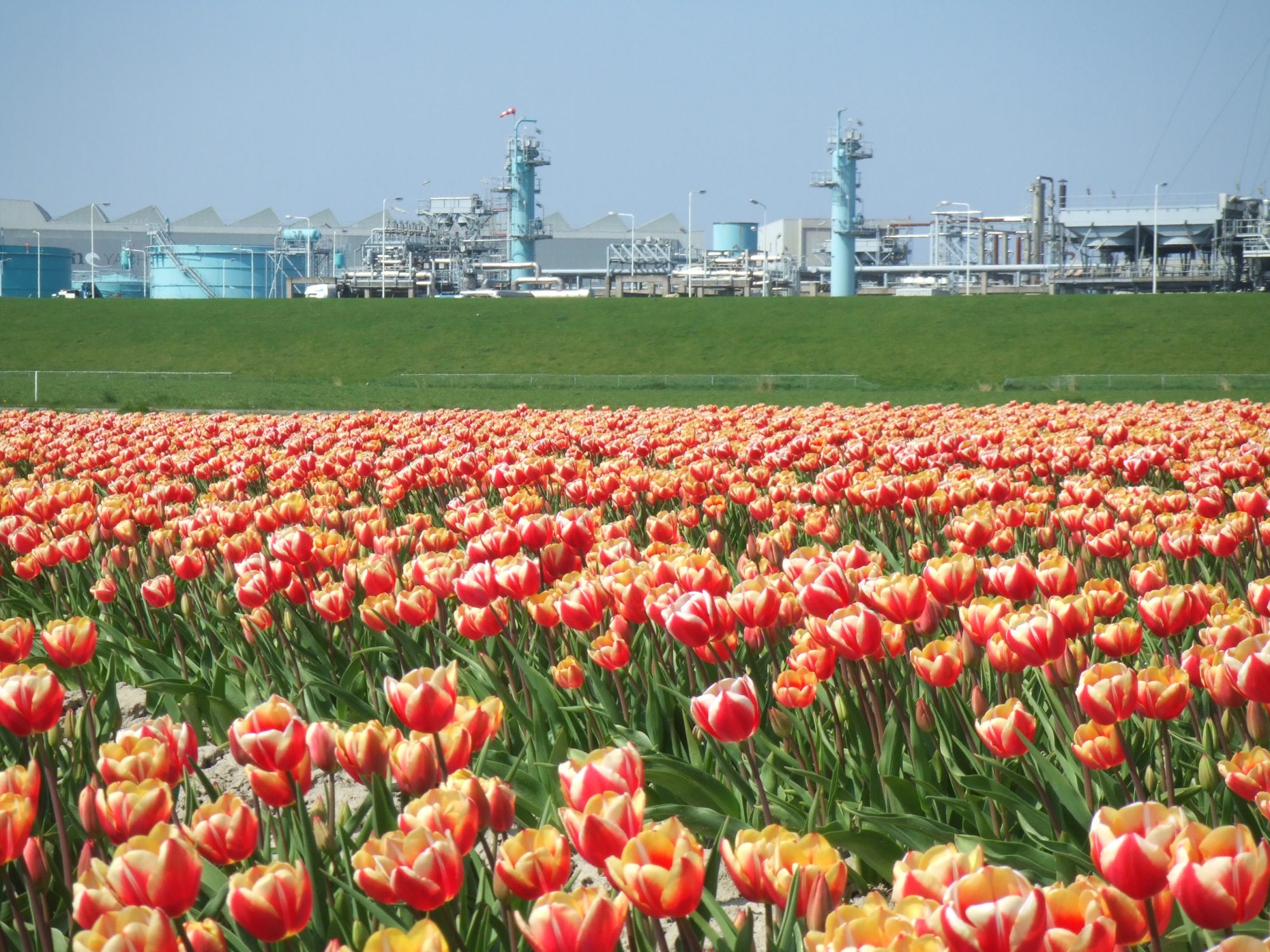
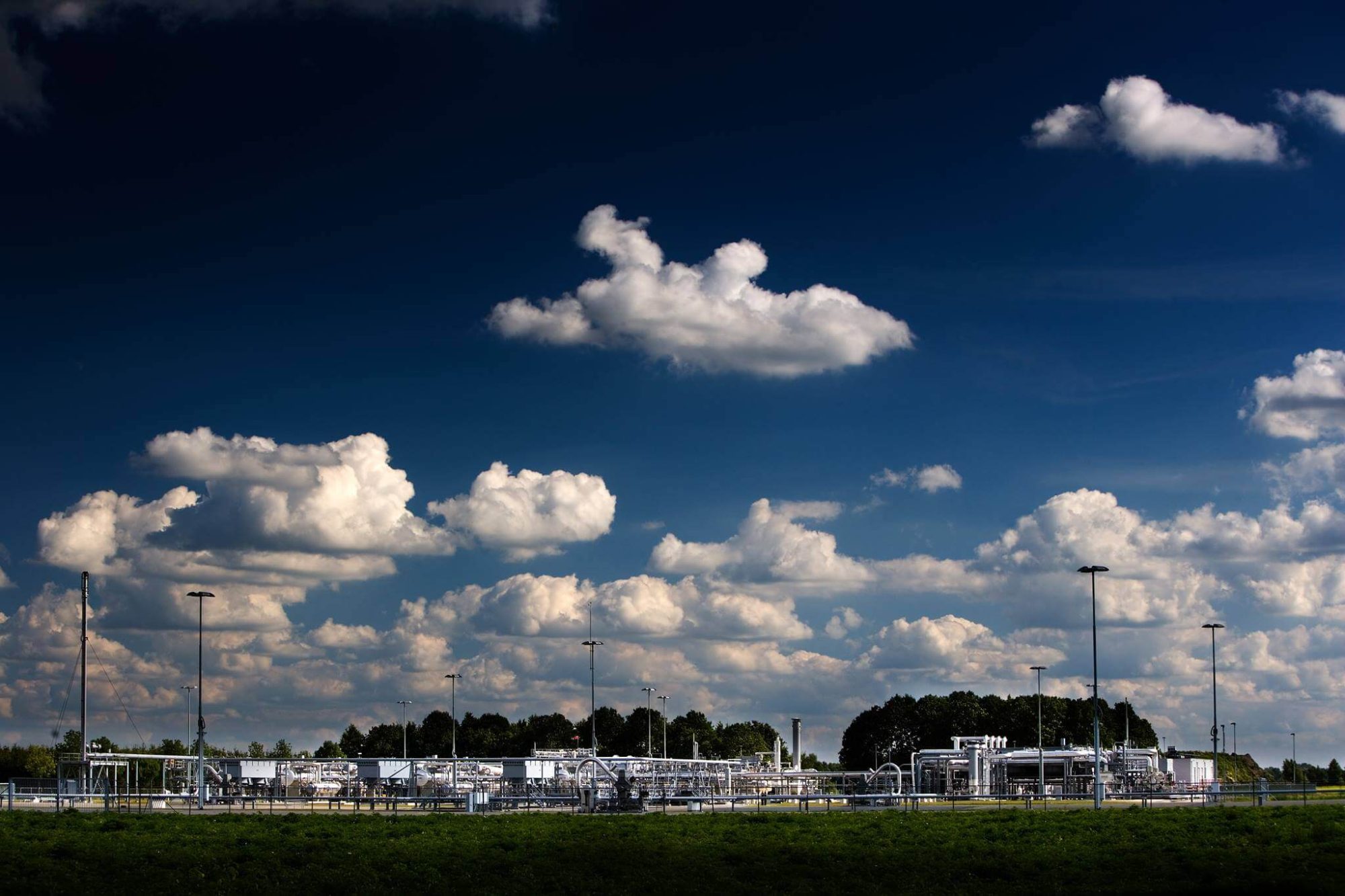
Apart from the giant Groningen field, many smaller gas fields exist onshore in Friesland, Drenthe, and offshore. In fact, the Netherlands has about 240 gas fields in total (with roughly half of them offshore). Companies like Vermilion Energy have been active in these smaller onshore fields in Friesland and Drenthe.
Multinational energy companies have also played leading roles in the region’s resource extraction. The most prominent is NAM (Nederlandse Aardolie Maatschappij), headquartered in Assen (Drenthe). NAM is jointly owned by Royal Dutch Shell and ExxonMobil, and since 1963 it held the concession to produce Groningen gas.
In the midstream and trading segment, Gasunie and GasTerra are also key players based in Groningen.
Salt and minerals
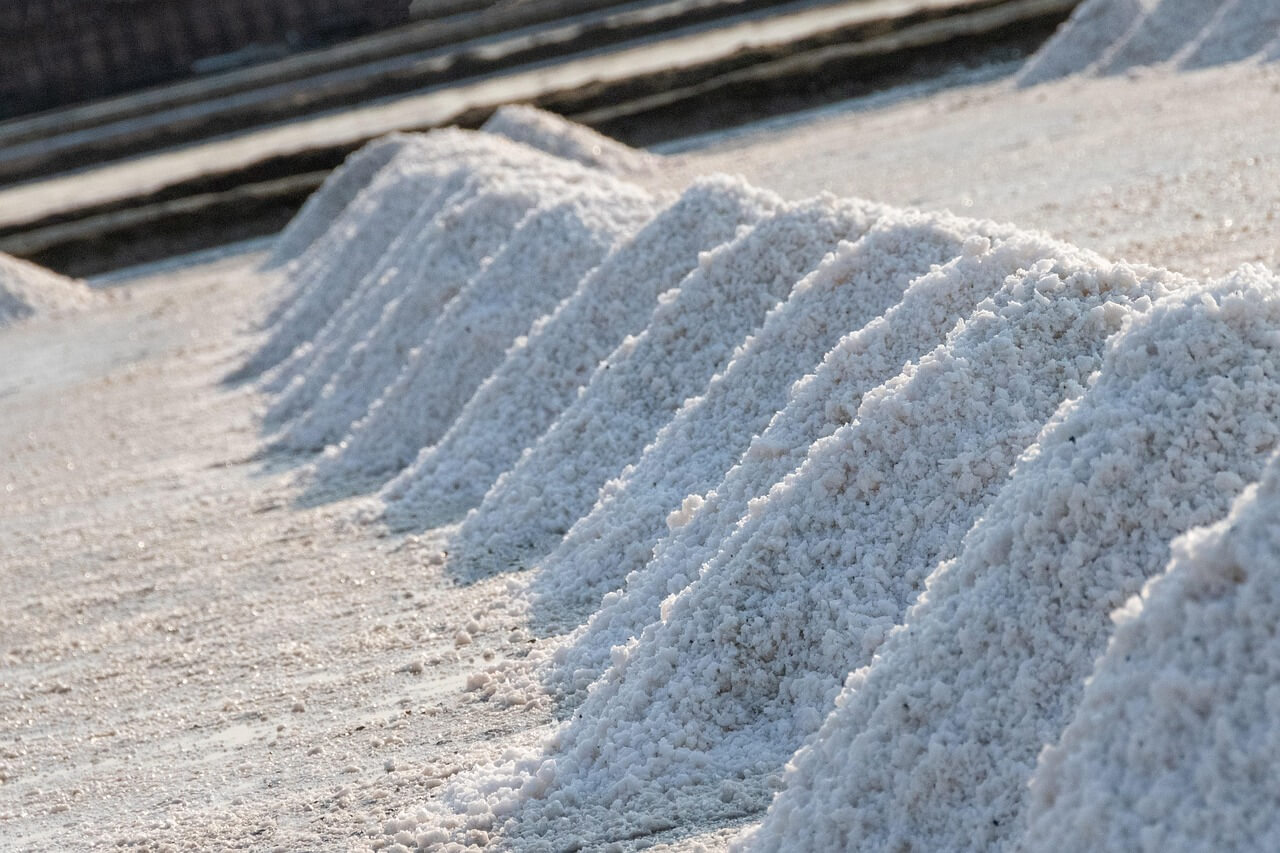
The Northern Netherlands also has a significant salt mining industry, given that under large parts of Groningen, Friesland, and Drenthe lie extensive Zechstein salt deposits.
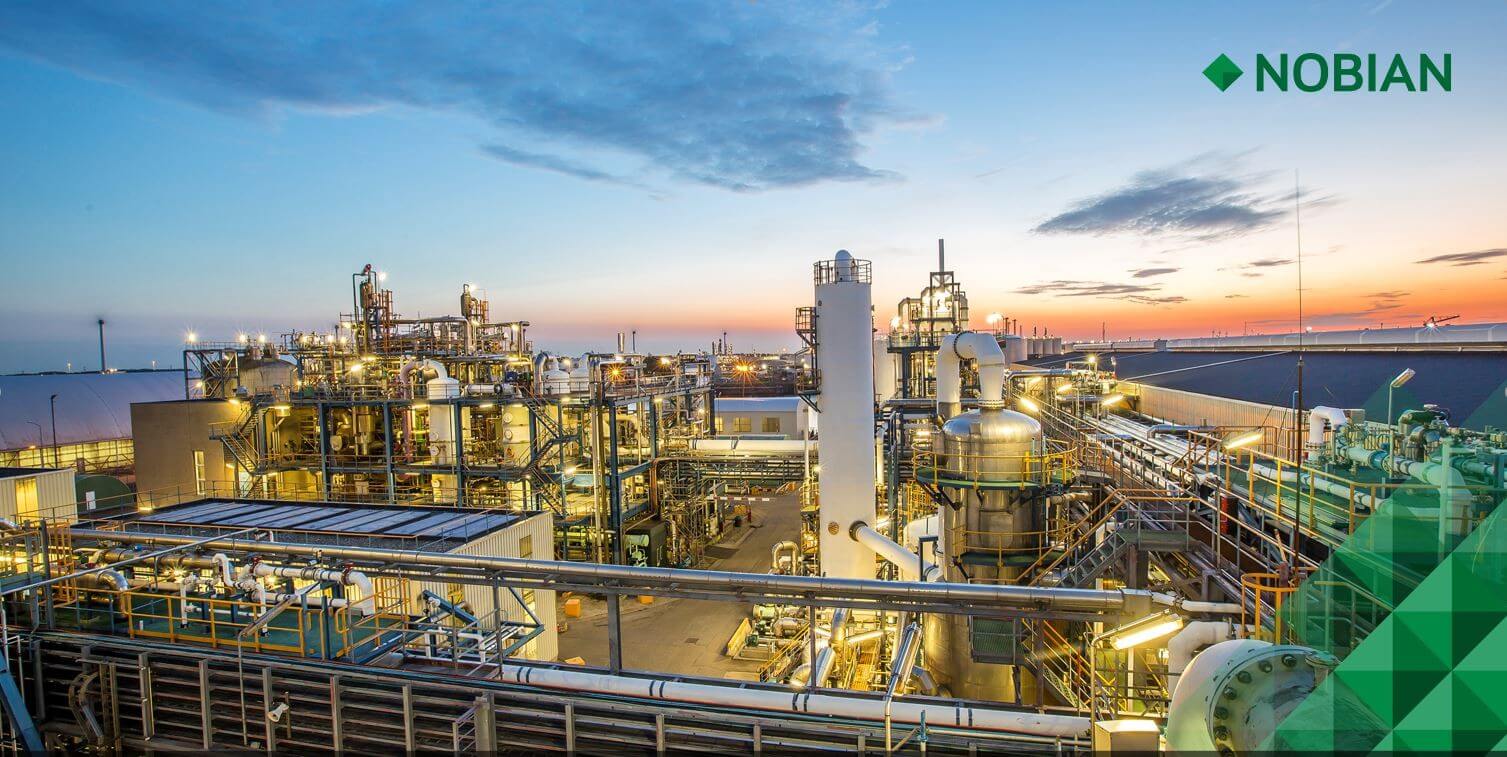
Nobian’s Delfzijl salt plant produces around 2.6 million tons of salt per year, supplying chemical industries, especially chlorine production. They draw brine from wells in eastern Groningen around Winschoten and Veendam, where thick salt layers exist. Since operations began, over 90 million tons of salt have been mined from the Groninger ground.
Education and career pathways
The University of Groningen (RUG) offers several programs relevant to energy and mining. In 2009, it also established the Energy and Sustainability Research Institute Groningen (ESRIG) that performs energy and sustainability research combining an experimental part (featuring laboratory and field experiments) with model studies and studies into societal interaction with scientific knowledge.
Together with the Hanze University of Applied Sciences and industry partners, the RUG also created the New Energy Coalition where students can specialise in topics like natural gas, petroleum, or energy finance with companies like Shell.
International job seekers should bear in mind that for entry-level or operational jobs (think equipment operators, field technicians, or safety supervisors), Dutch language skills are often expected because those roles involve local teams, compliance with Dutch regulations, and interaction with local communities. Non-Dutch speakers with advanced and niche skills in engineering, geoscience or IT are more likely to come across enriching opportunities in the natural resource extraction sector in these regions.
Companies and jobs in natural resource extraction
Materials Control Specialist
Halliburton
Emmen
Siemens Energy – Location North
Assen
Halliburton
Emmen

WellGear
Westerbork


Cycle-Up
Leeuwarden
Nobian
Farmsum
Vermilion Energy Netherlands B.V.
Harlingen

SLB (Schlumberger)
Coevorden
NAM
Assen

Well Services Group (WSG)
Emmen