Pages
Search the website
Jobs
Companies
Events
Research & development in the Northern Netherlands
With several top-level universities, plentiful space, and a highly educated multilingual workforce, it’s no wonder that more and more companies are utilising the Northern Netherlands for R&D.
Article

🧪 What is R&D?
Research and development (R&D) roles focus on turning ideas into new products, technologies, and processes.
R&D in the Dutch North
Groningen
Research and innovation in the Northern Netherlands largely follow the “triple helix” model, where universities, industry, and government work closely together. The University of Groningen (RUG), Hanze University of Applied Sciences and NHL Stenden collaborate with private companies and public bodies to turn research into real-world applications.
A good example of this approach is Zernike Campus, just north of Groningen city. The campus brings together university research institutes, applied research groups, start-ups, and established companies in one location, supported by regional and national government programmes. For international professionals, this creates an environment where research, testing and product development happen side by side—often in multidisciplinary, English-speaking teams with direct links to industry.
The Zernike Campus has seen a significant number of successful partnerships emerge following the collaboration between one (or more) universities, and several companies. For example, the 5Groningen Testing Lab, which is testing the next generation of telecommunications in the real world, was the result of a partnership between the Economic Board Groningen, the Dutch Ministry for Telecommunications, the national research agency TNO, the University of Groningen and Hanzehogeschool, and several telecoms companies including KPN, Vodafone, and Ericsson. The programme is now run by Innovation Centre Connected Solutions (ICCS) under the leadership of the Hanze University of Applied Sciences.
Friesland
One of the more famous facilities for R&D in the Northern Netherlands is the Phillips facility in Drachten. The facility has been responsible for various well-known Phillips products, including SENSEO Coffee Machines, Wake-Up Lights, vacuum cleaners, hair dryers, and shavers.
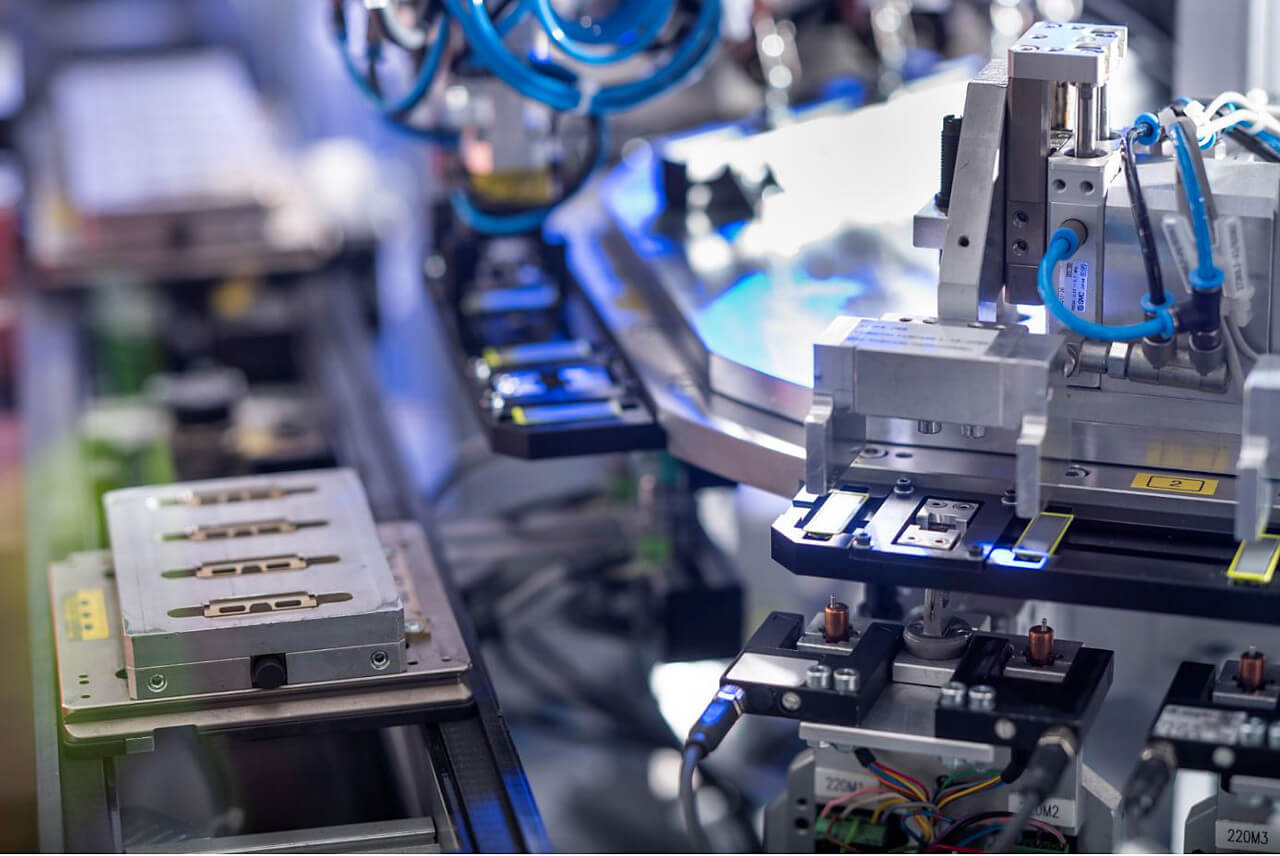
The Phillips R&D Centre sits within the wider Innovatiecluster Drachten, which is home to a number of companies spanning everything from electronic motors to medical devices and more. Each of these companies devotes a large amount of focus to R&D, which has yielded some amazing discoveries and products.
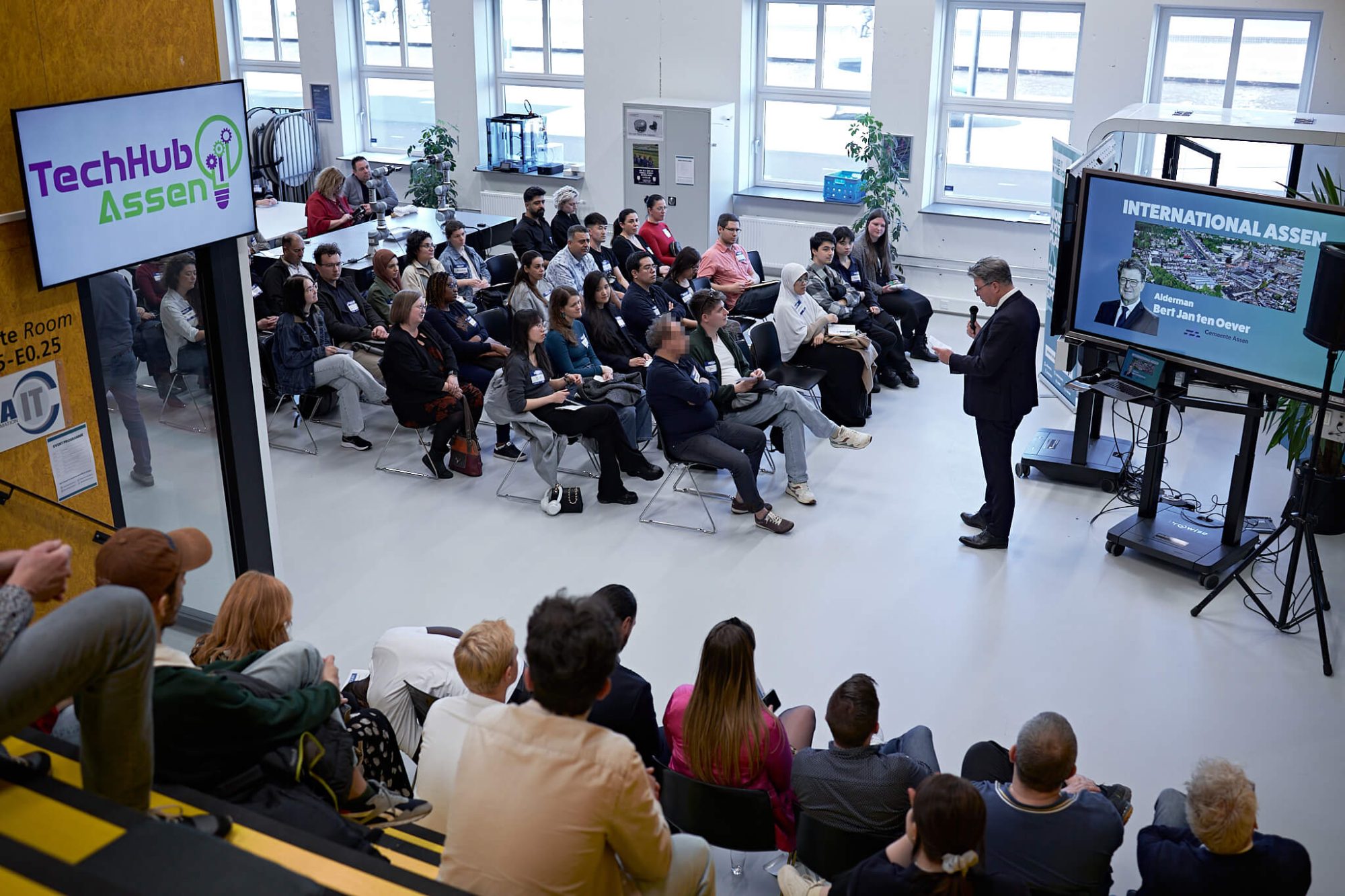
Drenthe is well known for its sensor systems R&D. The area around the city of Assen is particularly strong in this respect, with the Hanzehogeschool’s Institute for Engineering and the Tech Hub bridging the gap between the Hanze’s research and innovative businesses in Drenthe.
The province is home to organisations such as Astron, which anchors world‑class radio astronomy research, and a growing network of companies working in precision engineering, sensor technology, data‑driven manufacturing, and sustainable production. These ecosystems create a steady demand for researchers, technicians, and developers. Because many of these organisations operate in international partnerships, Drenthe is a solid choice for internationals who want to contribute to practical, industry‑focused R&D while enjoying a high quality of life.
What background do you need? 🎓
R&D roles vary widely, so the experience required depends on the type of research:
Academic or fundamental research
These roles often require:
- A bachelor’s or master’s degree in a relevant field
- For many positions, a PhD or willingness to pursue one
- Experience with scientific methods, data analysis, and lab work
- Publications or research projects demonstrating your expertise
Applied research or development roles
These are common in companies and innovation hubs and may require:
- A technical or scientific degree (engineering, chemistry, biology, computer science, AI, etc.)
- Hands‑on experience with prototyping, testing, or product development
- Skills in programming, modelling, or working with specialised equipment
- Project‑based experience (internships and student projects can count!)
Industry‑focused R&D
Companies often look for:
- Experience in product design, engineering, or process optimisation
- Knowledge of regulatory environments (e.g., medical devices, energy systems)
- Ability to collaborate with multidisciplinary teams
- A practical mindset and problem‑solving skills
The Netherlands is known for its innovation‑driven business environment and strong R&D incentives, which attract companies across sectors like energy, water technology, food, and high‑tech systems.
Companies and jobs with research & development divisions
PhD: Pioneering photoacoustic imaging for tumour-specific image-guided photopharmacology PHONIC
UMCG
Groningen
PhD to advance psychedelic therapy research in mental health
UMCG
Groningen
Postdoc Biomedical Sciences
UMCG
Groningen
PhD position in Visual Neuroscience: IndiBrain
UMCG
Groningen
PhD in AI-driven Discovery of New Cancer Genes
UMCG
Groningen

Senior Front end Developer
Spheer.ai
Groningen
Process, Projects & Quality Control Manager
Envalior
Emmen
Lead Buyer
Envalior
Emmen

INNOKITE
Groningen
Junior Lead Buyer
Envalior
Emmen

Detact Diagnostics
Groningen
UNIFORM-Agri
Assen