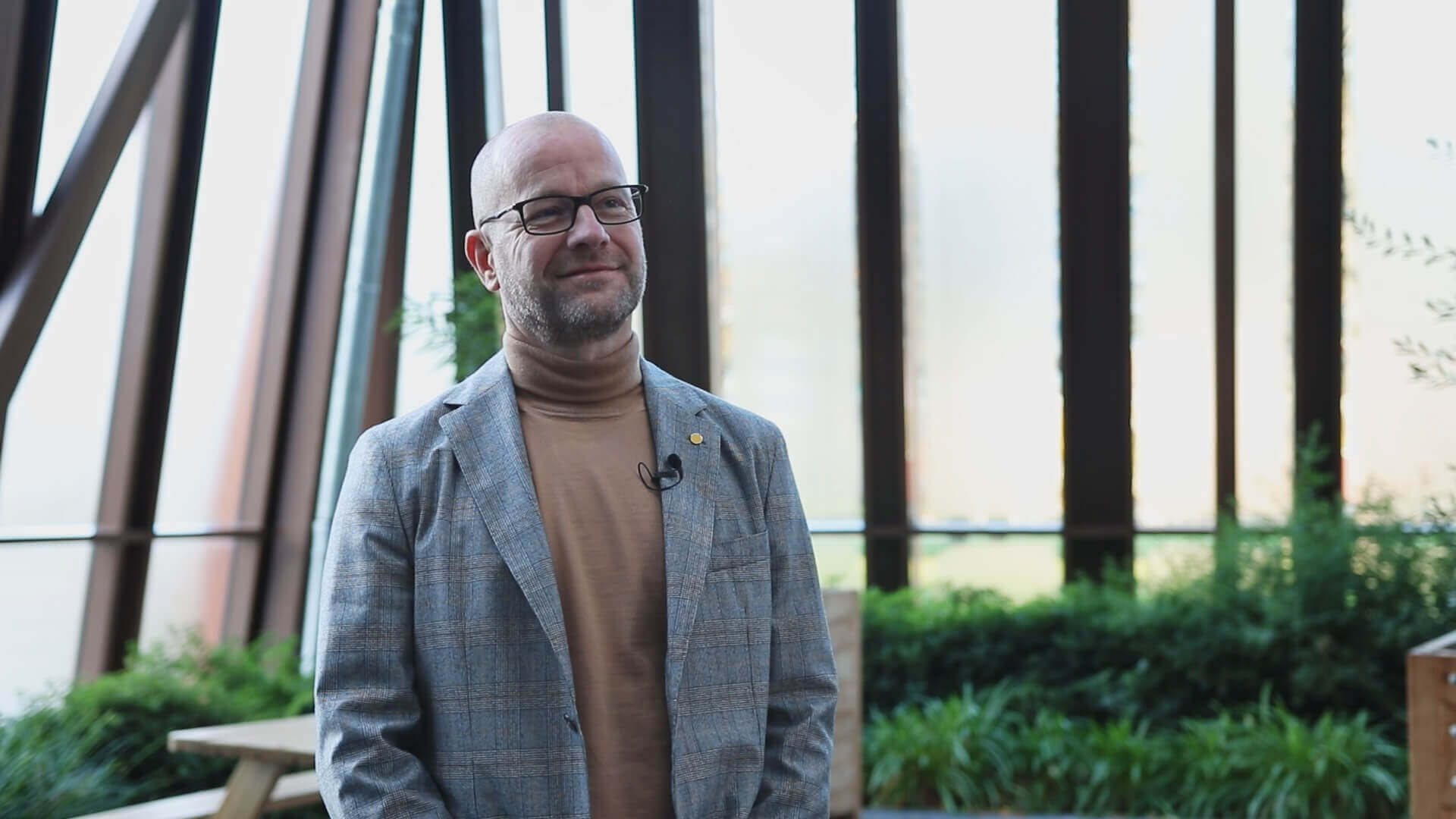
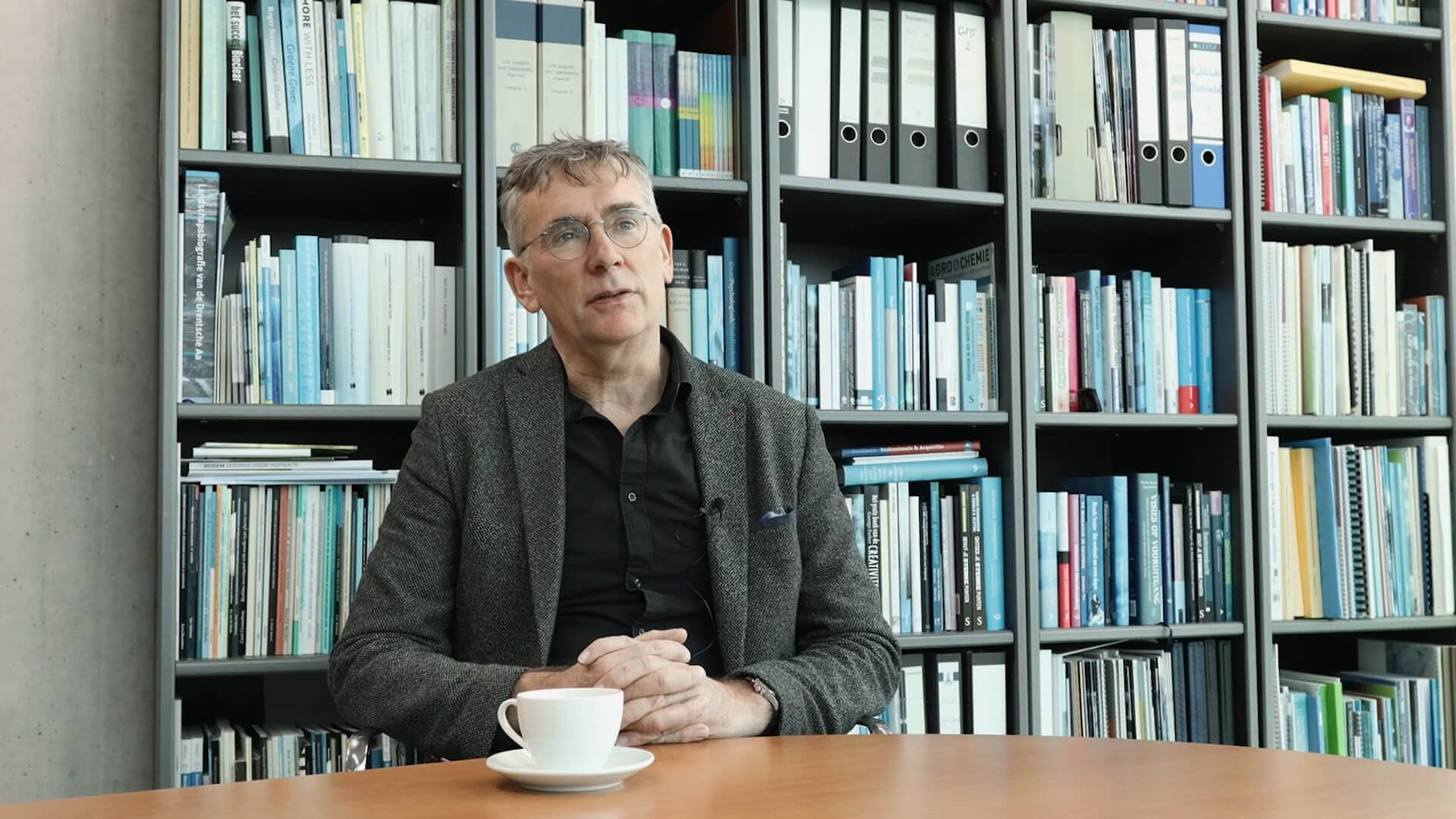
Guido Bartelink, CEO of ACS Buildings
ACS Buildings aims to provide all-around solutions that will help buildings optimize their energy spending using its cutting-edge software supported by their energy box.
This Groningen-based company also works with international clients and finds that an international project would look different than the one organised in the Netherlands.
For this reason, ACS seeks to hire people with different perspectives that can deal with these changes.
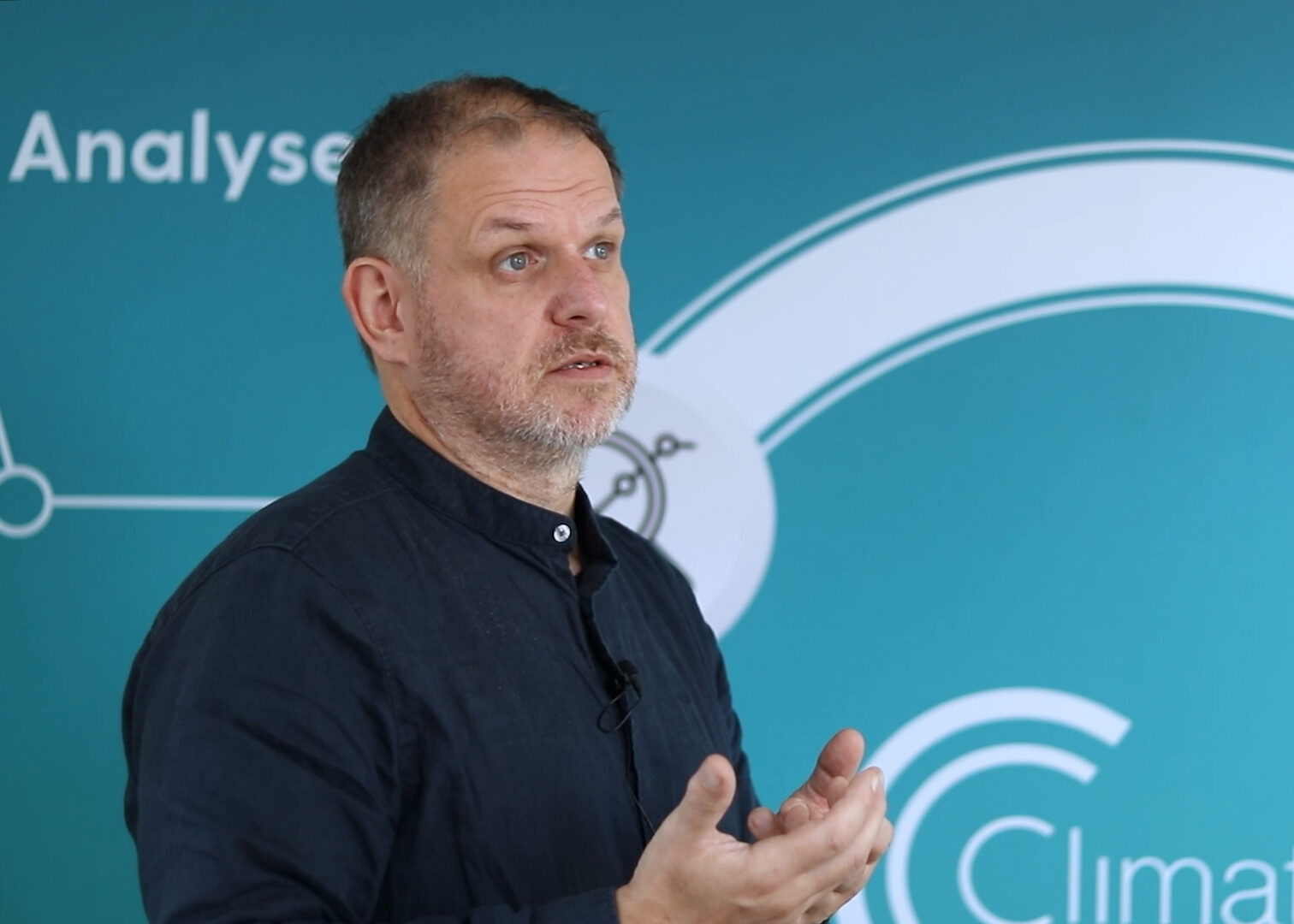
“If you are really interested to work with us, give us a call. We can have a cup of coffee and see what we can do."
We’re hiring internationals to help us with foreign clients – ACS Buildings CEO
ACS Buildings CEO Guido Bartelink says he seeks to hire people with different international backgrounds and perspectives to assist the company when it comes to interacting with international clients.
Dutch climate control company ACS Buildings aims to help clients save at least 20% of their energy bills by optimising their buildings. At its core, ACS is an ICT company that makes software. However, the software is very specific and is about managing installations and buildings.
In an interview with Make it in the North, ACS Buildings CEO Guido Bartelink talked about how his company achieves this.
“Taking the example of a building, a lot of energy goes into that building. But a lot of it is wasted. We don’t use it in a proper way. At our core we understand buildings and we understand ICT. We also include other things like artificial intelligence (AI). We put all these things together and we make software to steer buildings in better directions,” says Guido Bartelink.
Bartelink says that buildings are usually run by different and separate systems controlling things like heating, cooling, ventilation, lighting. By combining the systems and steering them in the right way, the energy environment of the building changes.
According to Bartelink, ACS’s systems can be applied to various buildings. Regardless of how sophisticated a building’s current systems are, ACS starts by using what already is in place and building on that and optimising it. The lower the standard of the building’s current systems, the higher the energy savings can be. In some instances, they can reach 70%.
“If you have a very efficient installation already, you can still gain a lot on you and it’s still possible to gain something like 20 to 30% so it’s also very attractive. It’s much easier for us because probably most connections and most data structures are already there,” says Bartelink.
Bartelink likens the current situation to the rise of electric cars. At the moment Bartelink sees front runners that are understanding that if they change things they can gain a lot while others are not yet ready for this change. To help make this change easier, ACS has removed the complexity from the systems and made them very user-friendly.
ACS also works with international clients and finds that a project in for instance Germany would look different than one that’s organised in the Netherlands. For this reason, ACS seeks to hire people with different perspectives that can deal with these changes.
Working with ACS Buildings
“Buildings use 40% of all the energy we use worldwide. So buildings are using more energy than industry, or transport, or anything else. And half of that energy is wasted. So if you can reduce that waste, that’s a big step. You could reduce energy use worldwide by 20%. So technology-wise it’s a small part but the impact can be enormous,” says Bartelink.
“And that’s why people like to work here, because they see that they work on something that really has an impact,” adds Bartelink.
The team currently is composed of 25 people based in Groningen and also in a smaller town, Leens. Next year ACS will also be going to the Consumer Electronics Show (CES) in Las Vegas, USA.
For Bartelink, it’s important that employees are down to earth and open. The team has a rule to always break off for lunch together to make sure that it maintains a level of personal interaction. When it comes to the administrative aspects of hiring an international person, Bartelink says that so far they’re open to seeing what needs to be done and that they do their best to handle the paperwork.
“If somebody is really interested to work with us, give us a call. We can have a cup of coffee and see what we can do. Sometimes it’s a fit and sometimes it isn’t. If it’s not a fit, we will tell them. There are these barriers that might seem high, but in reality, they are not so high. This is because so many aspects of the business are about humans, about how we interact, and about how we interact with technology. That’s not different from many other companies. If you’re interested in the topic, well of course then that’s a big plus,” concludes Bartelink.
Article and interview by Christoph Schwaiger. Video by Julia Dumchenko and Daindra Utami.
This article is part of Make it in the North‘s company spotlight series that highlights Northern companies hiring internationals. The article is originally published in The Northern Times.